

Helping Teens with Porn Addiction
Infidelity can create family chaos, often leaving teens desperate to feel better and regain a sense of control. One way that teens self-medicate is through watching porn. Readily accessible and a quick way to numb big feelings, porn addiction can quickly become a crutch. It’s also an incredibly difficult habit for parents to address.
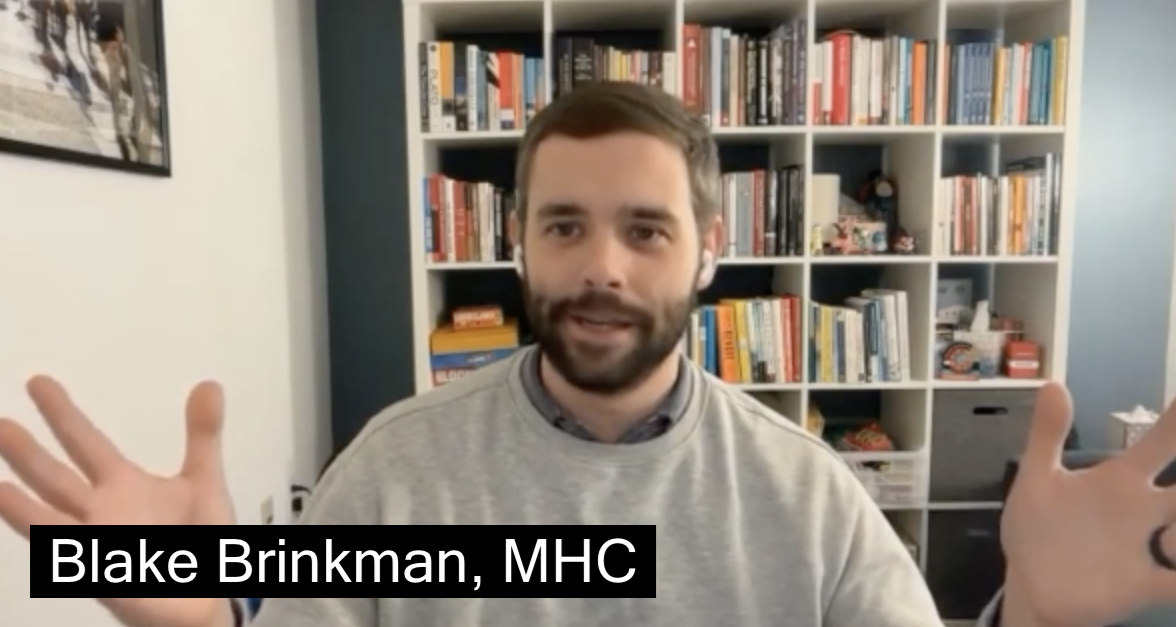
This blog post is here to help. It is a synopsis of my conversation with Blake Brinkman, MHC and founder of Redefine Student Recovery (https://www.redefinestudentrecovery.com/). Blake works specifically with teens and young adults (and their families) to help them understand and heal from porn addiction. If you prefer, click here to watch the video on YouTube.
This post is also part of a larger resources that I created; an interview series called Healing Family Secrets: Navigating the Pain of Infidelity Together. For this series, I interviewed eight betrayal trauma professionals. Together we explored the profound impacts of infidelity on families and provided actionable insights to support both parents and adult children through these challenging time.
Specifically, to each of these professionals, I asked one big question:
In your experience, what are the most effective strategies families can adopt to rebuild trust and communication after infidelity, and how can they navigate the emotional complexities involved?
Click here for a synopsis of all 8 interviews.
The Problem
As I talk about so often on this blog, a parent’s infidelity impact on children is regularly minimized in families. Infidelity can create family chaos, and often causes teens to fall into one of two damaging roles:
Isolation: Parents avoid the topic, forcing the child to process alone.
Parentification: The child becomes the parent's emotional support, a weight they cannot carry.
Both of these roles can lead teens to self-medicate in a variety of ways to help them feel better and regain a sense of control. While there are many ways that teens and young adults self-medicate, watching porn is one of them.
The Solution: Strategies for Healing
Parental Healing First: Parents must engage in their own recovery work to learn healthy emotional processing. This models resilience and shows the child they are not the parent's sole support.
Create a Safe Emotional Space: Parents must show that all emotions are safe, rather than simply saying it. Actions speak louder than words. The goal for parents should be to attune to the needs of the teen or young adult, not the other way around.
Practice Re-attune & Repair: An ongoing process of owning mistakes and re-engaging after a parent’s dysregulation. For example: I got angry at you when it wasn’t your fault. I was feeling overwhelmed but I took it out on you. That's not how I wanted to communicate. Here's what I meant.
Re-Narrate the Story: Counter a teen’s natural self-blame by clarifying the infidelity was not their fault. This is an ongoing conversation, not a one-time event.
Common Misconceptions & Their Harmful Effects
Time heals everything: Passivity allows wounds to fester. I think pretty much every person I interviewed named this as a common misconception.
If we don't talk about it, it'll go away: Avoidance causes isolation and forces teens and young adults to process alone.
Forgiveness means forgetting: Rushing the process creates emotional unsafety, forcing teens and young adults to suppress feelings.
The kids shouldn't know: Children are hyper-attuned and already sense the rupture. Silence causes teens and young adults to feel like they are going crazy and ruptures trust.
Healing with Adult Children
It's never too late: A parent's authentic, non-manipulative apology can be transformative at any age and after any amount of time. But how do where do you start as a parent?
Acknowledge past hurt without a script. What We mean by this is to not get stuck to one particular way the conversation can go. You may discover, for example, that what hurt your teen the most was not what you assumed.
State a desire to reconnect and own your part. This is an important step for both the cheating parent and the betrayed parent. The betrayed parent may need to apologize for confiding too much in the young adult, or for hurting the teen when under duress about the affair.
Be prepared for any response, including rejection. This requires the parent's own emotional stability to avoid seeking validation from the teen or young adult. Allowing your child to have the feelings they have, even if it hurts you, is the fastest route to healing.
✨ Are you an adult child who is struggling with a cheating parent and hoping to rebuild a healthy relationship with your family?
✨ Would you consider signing up for a research interview with me?
✨ In a short, confidential, 20 minute Zoom call I ask 8 questions about your experience of your parent's betrayal. Your answers will help me build a much needed resource for adult children of infidelity.
In return, I promise by speaking with me, you will feel less alone 🫶.
Link to sign ip for a research call 📞📞📞 is: https://calendly.com/melissamacomber/first-call