

Using Witnessing to Heal from Betrayal
Communicating with older teens and adult children about your affair, or your partner’s infidelity, is a huge challenge. In addition, there is not a lot out there to help parents and adult children navigate this difficult and painful time.
To help, I created an interview series called Healing Family Secrets: Navigating the Pain of Infidelity Together. For this series, I interviewed eight betrayal trauma professionals. Together we explored the profound impacts of infidelity on families and provided actionable insights to support both parents and adult children through these challenging time.
Specifically, to each of these professionals, I asked one big question:
In your experience, what are the most effective strategies families can adopt to rebuild trust and communication after infidelity, and how can they navigate the emotional complexities involved?
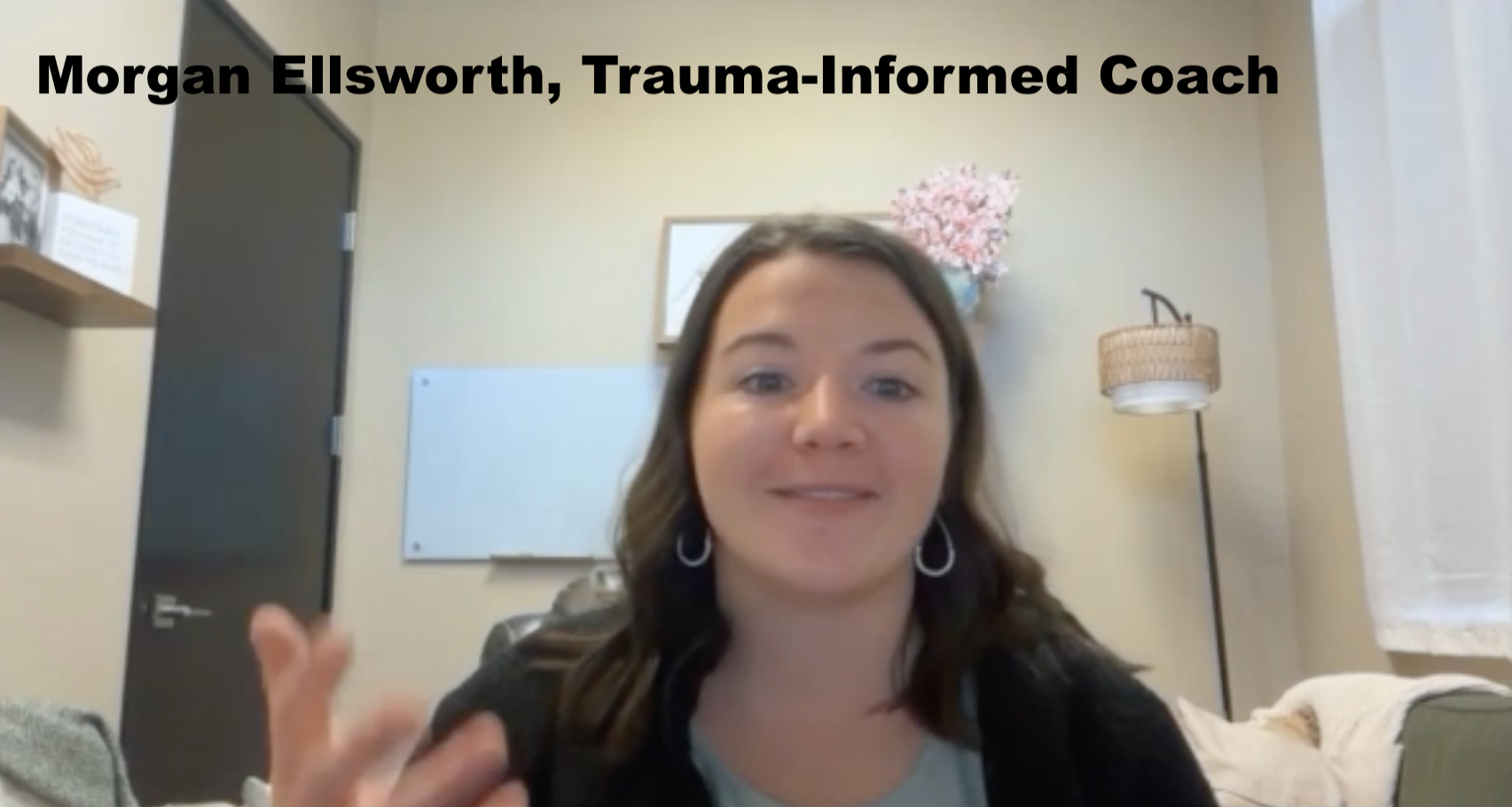
Below is the synopsis of my conversation with Morgan Ellsworth, Trauma-informed coach and soon-to-be licensed MFT (https://www.morganellsworthcoaching.com/). If you prefer, click here to watch the video on YouTube.
Click here for a synopsis of all 8 interviews.
The Witnessing Strategy
Morgan began by describing a core strategy for family healing, called Witnessing. It moves family members from a state of being unaware and disempowered to aware and empowered. Particularly in the context of a parent’s infidelity, children are typically unaware and disempowered, and helping children heal is a two-way process.
First, parents need to witness children’s experience of parent infidelity, which entails validating their pain and telling them the truth about the affair. Morgan emphasized the need for developmentally appropriate truths, allowing children to piece together their family narrative and fully understand what has transpired.
Second, children need to be able to witness their parents’ authentic emotions. This is particularly relevant for older teens and adult children.
Morgan and I discussed how this can be a real challenge for families, and requires that children have language for their emotions. We agreed that while adult children have the agency to articulate their needs, doing so can still be difficult with their parents.
Morgan explained that the process for adult children struggling with a parent’s affair involves learning how to allow oneself to be seen, and to understand how to witness others. It’s important that the relationship dynamic transforms rather than everyone reverting to past patterns, such as avoiding conflict. This change can be uncomfortable but is vital for communication and healing.
We ended the interview with a discussion of how betrayed parents can support adult children after an affair.
Allow Adult children the right to set boundaries and determine their relationship terms. While parents often fear their children's anger or need for space, these reactions are healthy and necessary for individual healing.
Teach tools: Help them identify and respond to unhealthy patterns from the betraying parent.
Use body awareness: Guide them to recognize physical sensations (safety, discomfort) as concrete indicators.
Offer professional help: Provide access to a specialist if the parent lacks the tools or if the child prefers an outside perspective.
✨ Are you an adult child who is struggling with a cheating parent and hoping to rebuild a healthy relationship with your family?
✨ Would you consider signing up for a research interview with me?
✨ In a short, confidential, 20 minute Zoom call I ask 8 questions about your experience of your parent's betrayal. Your answers will help me build a much needed resource for adult children of infidelity.
In return, I promise by speaking with me, you will feel less alone 🫶.
Link to sign ip for a research call 📞📞📞 is: https://calendly.com/melissamacomber/first-call