

Healing After a Parent’s Infidelity: Why There’s No “Right” Way to Cope
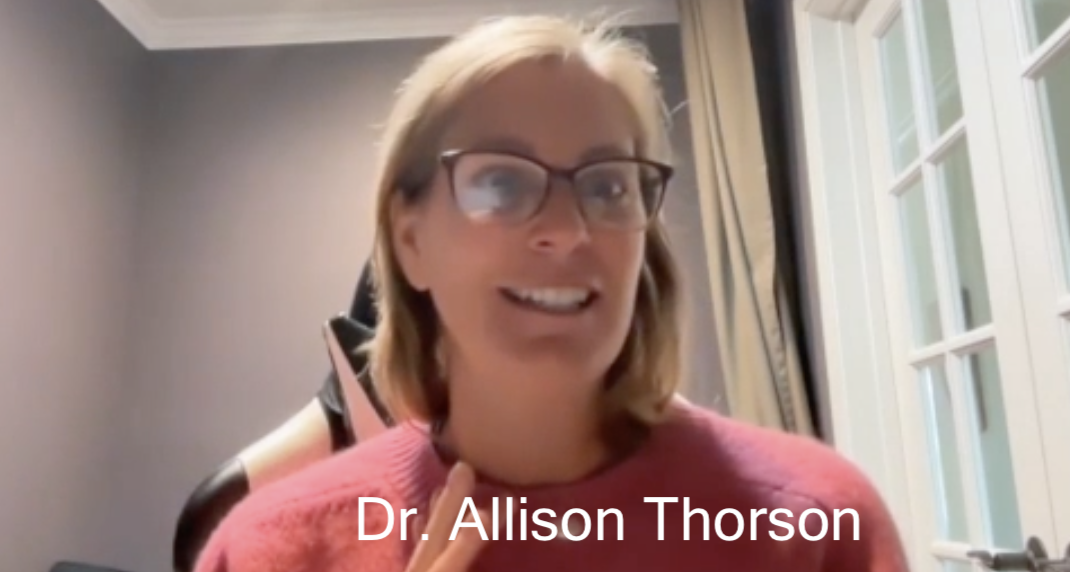
A parent’s affair can throw a family into turmoil, sending everyone searching for a plan, or set of steps that will grant the way back to stability. The reality, according to Dr. Allison Thorson, is that healing after parental infidelity is deeply individual. There is no universal timeline, or one-size-fits-all roadmap for rebuilding trust within a family.
In this interview, Dr. Allison Thorson, Professor at The University of San Francisco and author of multiple studies on the impact of a parent’s infidelity on the family shares some of the most important takeaways from her research, including what does help rebuild family relationships after infidelity.
Below is the synopsis of our conversation. If you prefer, click here to watch the interview on YouTube.
Learn more about Allison’s work: https://www.usfca.edu/faculty/allison-thorson
This post is also part of a larger resources that I created; an interview series called Healing Family Secrets: Navigating the Pain of Infidelity Together. For this series, I interviewed eight betrayal trauma professionals. Together we explored the profound impacts of infidelity on families and provided actionable insights to support both parents and adult children through this challenging time.
Specifically, to each of these professionals, I asked one big question:
In your experience, what are the most effective strategies families can adopt to rebuild trust and communication after infidelity, and how can they navigate the emotional complexities involved?
Click here for a synopsis of all 8 interviews.
Healing Is More Like Grief Than a Straight Line
Thorson compared the healing process after infidelity to grief. Family members often move through emotions in cycles rather than neat stages. One child may process the situation quickly, while another may struggle for years. Some may appear unaffected at first, only to revisit the pain later during major life transitions like marriage, parenthood, or their own relationship struggles.
This becomes, perhaps counterintuitively, especially complicated when parents stay together after the affair.
Often, by the time children learn about the infidelity, the parents feel they have already worked through it. But adult children may still be at the very beginning of their own process. Each child within the family may have a different process.
As Thorson explained, families sometimes unintentionally pressure children into premature forgiveness or emotional closeness before they are ready. While understandable, this can actually slow healing rather than support it.
The Damage of Forced Silence
One of the strongest themes in the interview was the harm caused by secrecy and emotional suppression.
When parents attempt to quickly move on and avoid discussing the affair, children often feel they must pretend everything is fine too. Thorson noted that this can create what feels like an unspoken gag order within the family.
Adult children may think:
I need to process this.
But talking about it might upset my parents.
So I’ll just deal with it alone.
Unfortunately, silence often intensifies rumination. The more family members avoid discussing the elephant in the room, the more consuming it can become internally.
Interestingly, Thorson observed that in some cases, painful but open family disruption, such as separation, temporary distance, or honest conversations, can create more room for authentic healing than rushing to restore normalcy.
Why Adult Children Feel Betrayed Too
A major misconception Thorson sees repeatedly is the belief that infidelity is only a betrayal within the marriage.
Many parents understandably think, This was between us. It wasn’t about the kids. But adult children frequently experience the affair as a betrayal of the parent-child relationship as well.
Learning about a parent’s infidelity can fundamentally alter how children view trust, relationships, morality, family stability, and even their own identity.
For younger children especially, discovering infidelity may be the first time they fully realize that a parent is imperfect.
For adult children, the betrayal often runs even deeper because it reshapes long-held beliefs about family history and emotional safety.
Oversharing Can Accidentally Harm Parent-Child Relationships
Thorson also discussed the delicate issue of inappropriate self-disclosure from parents.
Research shows that when parents, particularly the injured or betrayed parent, feel emotionally overwhelmed and out of control, they may unintentionally overshare details of the affair with their children.
Adult children often recognize why the parent is doing this. They understand their parent is hurting. But being placed in the middle of marital pain can still feel emotionally burdensome and damaging.
In some cases, excessive disclosure actually weakens the relationship between the injured parent and the child, creating what Thorson described as a kind of double victimization for the injured parents, who feels like they are losing their partner and their child.
The key to healthy conversations and rebuilding trust with children is: Children need space to talk about their own feelings, without responsibility for managing a parent’s emotional crisis.
Communication Must Be Invitational, Not Forced
One of the healthiest approaches Thorson described was creating open invitations for conversation without pressuring children to engage before they are ready.
Parents can communicate:
I’m willing to talk.
I’ll answer questions honestly.
I understand this affected you too.
You can bring this up whenever you need to
But healing conversations work best when they arise organically from the child’s needs rather than being driven by parental urgency. As Thorson emphasized: The more this (conversation) can come ground-up rather than top-down, the better.
Genuine Apologies Matter
Research also shows that meaningful apologies from the involved (cheating) parent can help foster empathy and eventual forgiveness. Importantly, the apology cannot be performative, rushed, or include any defensive explanations. It must include a sincere acknowledgment of harm, not only to the injured parent, but towards the child as well.
Importantly, apology does not guarantee immediate reconciliation. Adult children may still need significant time and distance to process what happened.
But authentic accountability creates emotional safety in ways denial and minimization never can.
Anger Is Sometimes Part of Healing
Another important point from the interview was that some children cope through temporary emotional distancing or what Thorson calls communicative sanctions. These are most prevalent when kids are still living with their parents, and have to rely on them for basic needs.
This can look like:
withholding affection
avoiding emotional closeness
using a parent’s first name instead of Mom or Dad
refusing to say I love you
or limiting communication altogether
While painful for parents, these behaviors are often attempts to regain a sense of control during a destabilizing experience. Many adult children later reflect on these periods as temporary stages of grief rather than permanent rejection.
When There Is No Accountability
Toward the end of our conversation, we discussed one of the hardest realities many adult children face, which is What happens when parents refuse to acknowledge the betrayal at all?
Many adult children are left navigating relationships with their parents where the affair is denied, minimized, hidden, or treated as none of your business.
Thorson referred to this as a communication dilemma, which means knowing the truth while simultaneously being expected to ignore it. This unresolved tension can leave adult children stuck between love for their family and deep emotional invalidation.
Final Thoughts
Perhaps the most compassionate takeaway from this conversation is that healing after parental infidelity requires patience, flexibility, and emotional honesty from everyone in the family. For many adult children, that acknowledgment alone can be the beginning of rebuilding trust both with their families and within themselves.
✨ Are you an adult child who is struggling with a cheating parent and hoping to rebuild a healthy relationship with your family?
✨ Would you consider signing up for a research interview with me?
✨ In a short, confidential, 20 minute Zoom call I ask 8 questions about your experience of your parent's betrayal. Your answers will help me build a much needed resource for adult children of infidelity.
In return, I promise by speaking with me, you will feel less alone 🫶.
Link to sign ip for a research call 📞📞📞 is: https://calendly.com/melissamacomber/first-call